
Lore
ASPIS lore and story: the experiment, OGAS terminals, the Institute of Cybernetics, the Slavic trace, layers of reality and the questions left open.
Introduction
The lore of ASPIS is built around a single idea: a Soviet system designed to predict historical events opened a route into places its creators never intended to reach. Official material confirms the Institute of Cybernetics, OGAS terminals, layers of reality, the Red World and the island at Lukomorye, but it does not publish a timeline, a full explanation of the Keeper or a definitive answer to whether the world is simulated. This section collects what the game states outright, separates it from what it only implies, and marks the questions the developers have left open. It is written for readers who want to understand the story without being handed a fan timeline that presents guesses as canon, and every section distinguishes the developer's words from a player's interpretation.
Lore Claims by Evidence Level
| Topic | Evidence level | What is confirmed |
|---|---|---|
| The ASPIS experiment | Official | A Soviet system built to predict historical events |
| The failure | Official | It opened routes to unintended locations |
| OGAS | Official | Terminal network carrying records and context |
| Slavic trace | Teased | Lukomorye and myths referenced, not fully explained |
| The Keeper | Open | Named only through achievement text |
| The Devil's deal | Open | Exists; terms are not published |
Lore Threads
The ASPIS Experiment
A Soviet system built to predict history
The Failure
A route to unintended places
OGAS
The terminal network
The Slavic Trace
Lukomorye and myths coming alive
Open Questions
What official material leaves unresolved
The Keeper and the Devil
Two figures official material names without explaining
Core Mechanics
The story is delivered through environment and records rather than a narrator. Documents in the Institute establish the six-volunteer setup and the purpose of the machine; OGAS terminals provide searchable context and sometimes gate progress; scenes in the Red World and Lukomorye push the story from research failure into myth. Time inside the system is described as running differently from the outside, which explains why the facility can look both abandoned and recently used. The game does not provide a codex that resolves these threads, so the reliable method is to read what is in front of you and note which questions remain unanswered.
Advantages
The strongest part of the lore is its restraint. ASPIS does not drown the player in proper nouns or explain the machine in a single cutscene. The Institute feels like a real research site because the evidence is partial: a memo here, a terminal entry there, a room that implies a procedure nobody describes. That makes the mystery durable and rewards players who read. It also means a wiki can be genuinely useful without pretending to know everything, because the value lies in organising confirmed evidence and showing where the gaps are. It also lets readers compare evidence across languages and versions without flattening the ambiguity: a terminal entry, a gallery caption and an achievement line can each contribute a piece without any one of them becoming the final word.
Challenges
The weakness is that the gaps are large and attractive to speculation. Official material does not resolve the Keeper's identity, the terms of the Devil's deal, the fate of the other volunteers or whether the world is simulated. Launch-window theories spread quickly and often cite each other rather than a source. The Slavic layer is teased through gallery titles and location names but not explained in a dedicated codex. A reader looking for a definitive timeline will not find one here, because inventing one would misrepresent what the game actually states. A reader who wants a clean summary of the plot can still use the confirmed columns, but should expect the right-hand side of the table to contain unknowns rather than answers.
Frequently Asked Questions
What is OGAS in ASPIS?+
Is ASPIS a simulation?+
What is the Slavic trace?+
Quick Tips
Separate what a document says from what a character claims. ASPIS uses unreliable narration and partial records, so a terminal entry and the Director's summary can both be relevant while disagreeing. Note who authored each piece of evidence before you treat it as the game's final answer. Writing the author next to each claim also helps when you revisit the game, because a memo from the Institute and a line from the Director carry different levels of authority even when they describe the same event.
Do not treat the real-world OGAS project as an explanation of the game. ASPIS borrows the name and the atmosphere of Soviet computing, but its terminals, layers and Energy X are fiction. Historical context can enrich your reading, but it cannot settle questions the game leaves open. Use historical context to enrich the atmosphere, but keep it separate from claims about Energy X, astral windows or the two endings, which are fictional systems with their own rules.
When you reach Lukomorye, look for how the environment differs from the Institute rather than hunting for a codex entry. The Slavic layer is communicated through names, images and tone, and official material does not provide a glossary. Recording those differences will help you form a reading without inventing rules.
Featured
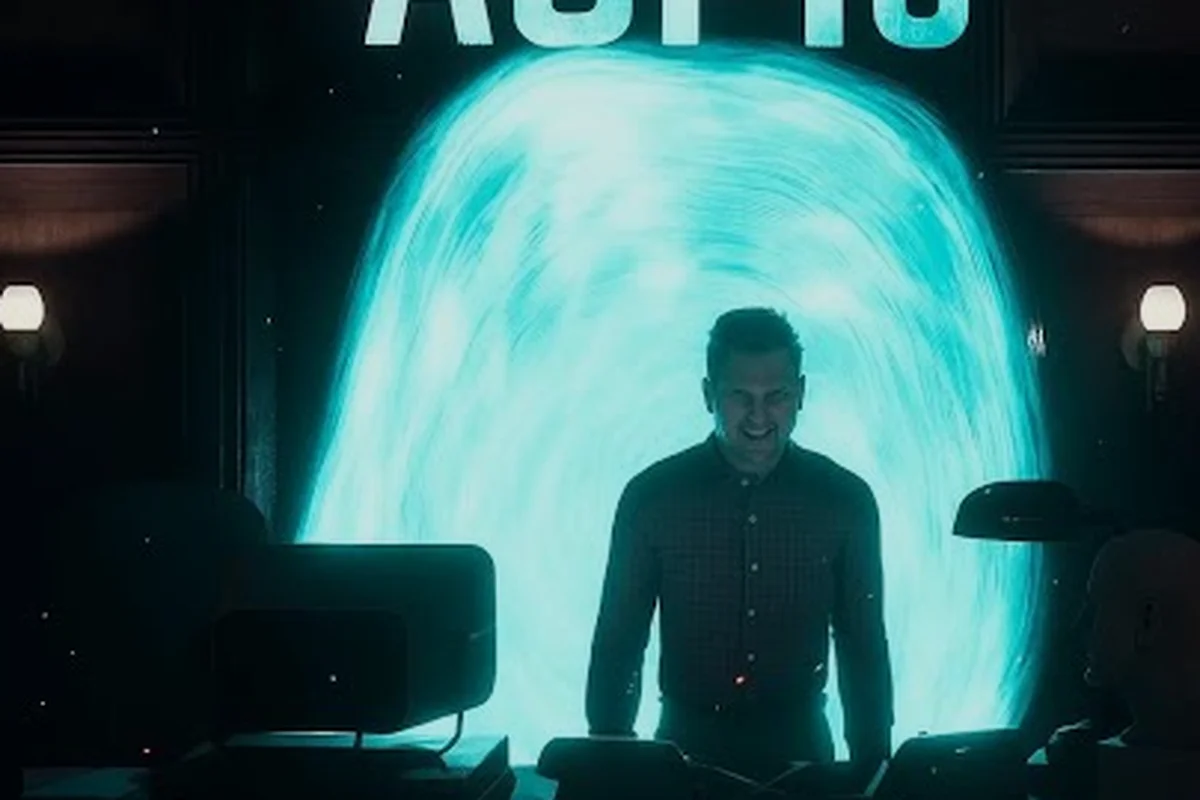
ASPIS Documents: How Records Carry the Story
ASPIS documents and records deliver the story alongside terminals and cinematic scenes. No official collectible total or archive list is published.

ASPIS Ending Theories: Community Readings After Launch
Compare ASPIS ending theories from community discussion with the official one-choice structure, and see which claims remain unconfirmed.
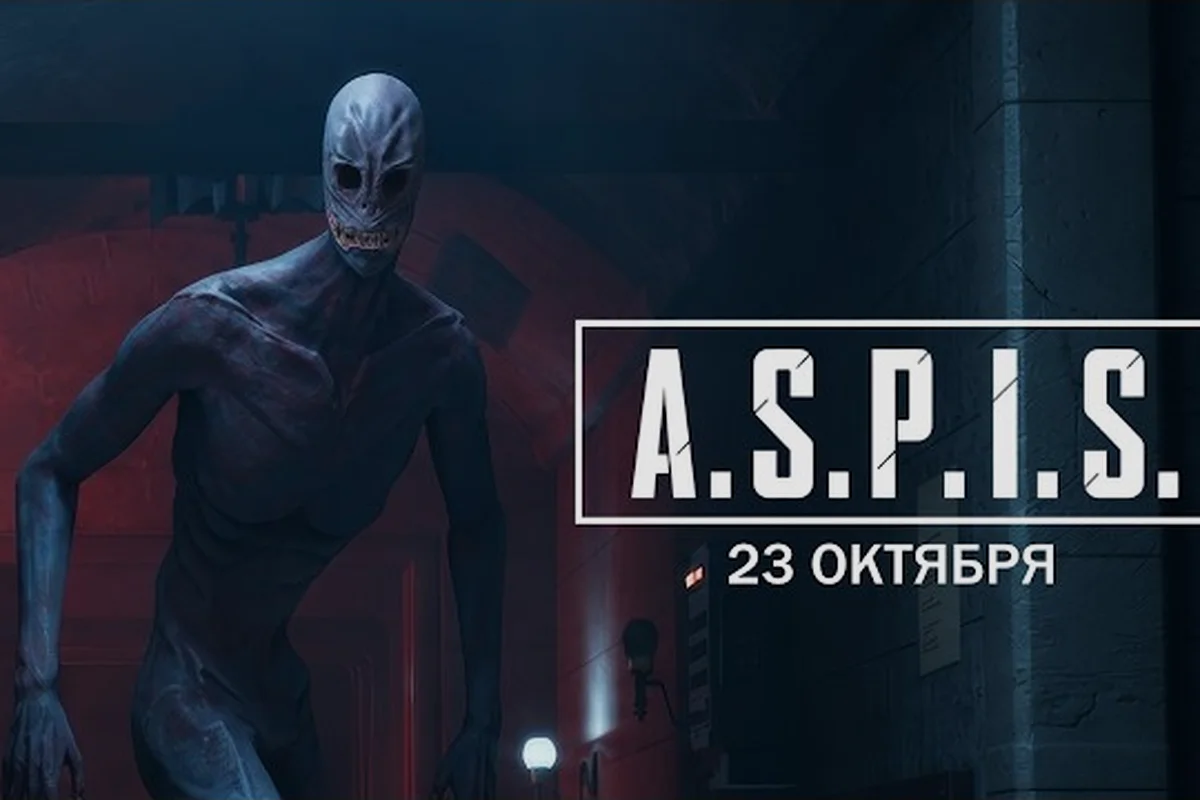
ASPIS Project: The Machine Built to Predict History
The ASPIS project is officially named Autonomous System for Predicting Historical Events. Learn its stated purpose and what the game leaves unexplained.
All Articles
ASPIS Red World Meaning: Official Gallery Clues
ASPIS Red World meaning is not explained officially. The gallery names the Red World and the red corridor, while the site says ASPIS was not a simulation.
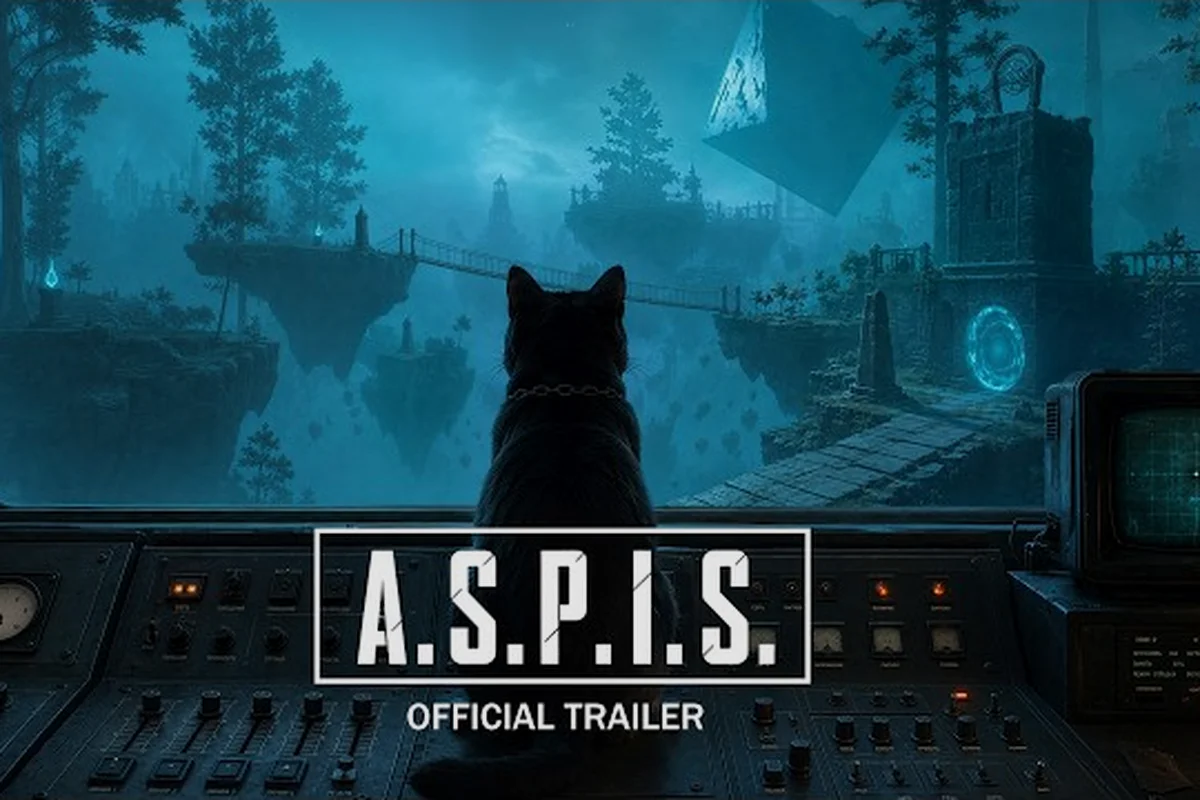
ASPIS Story Explained: The Experiment and Its Breach
ASPIS story explained from official text: six volunteers enter a system built to predict history, and the machine opens worlds it was never meant to find.

ASPIS Unanswered Questions: The Lore Gaps That Remain
ASPIS unanswered questions include the Keeper, the Devil's terms, the other volunteers and the experiment's outcome. Official material confirms the mystery only.
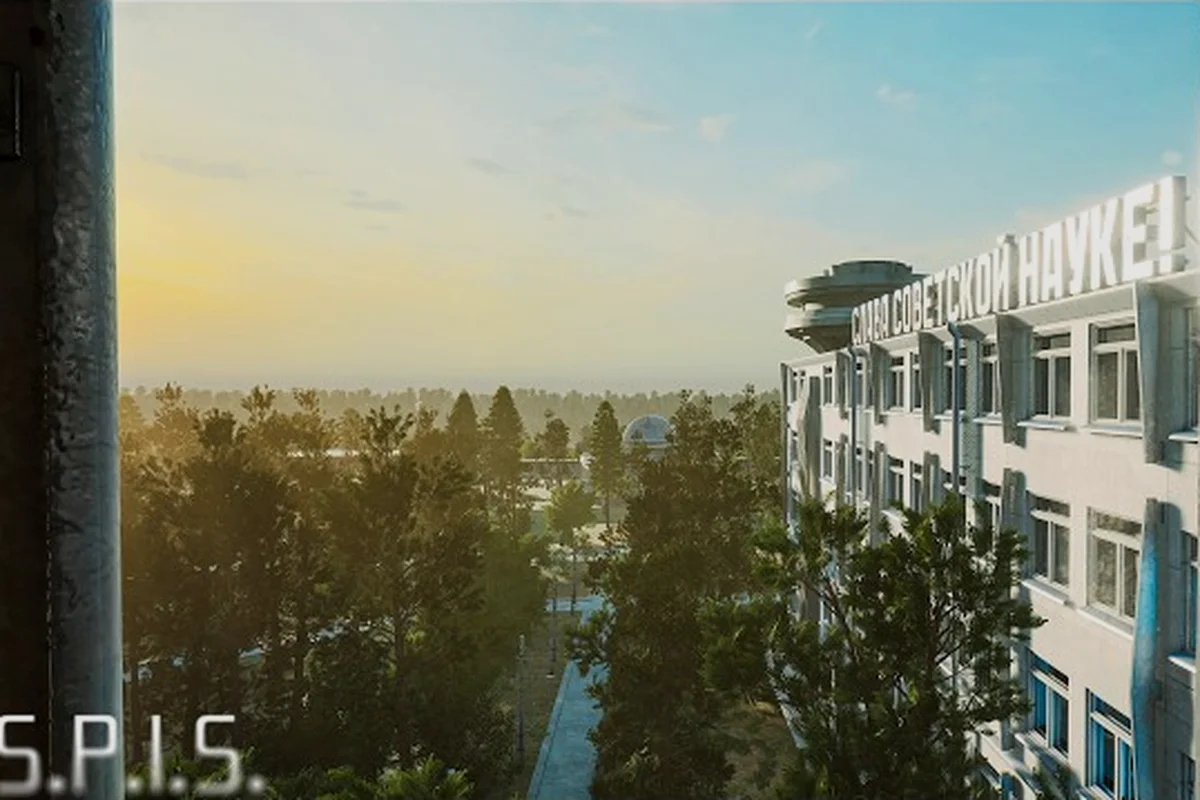
ASPIS What Is OGAS? The Terminal Network Explained
ASPIS what is OGAS: the terminal network used for records and puzzles, rebuilt as OGAS 2.0 before launch. Official text stops short of full technical detail.